Myofascial Release: What It Is, Who It Helps, and What to Expect
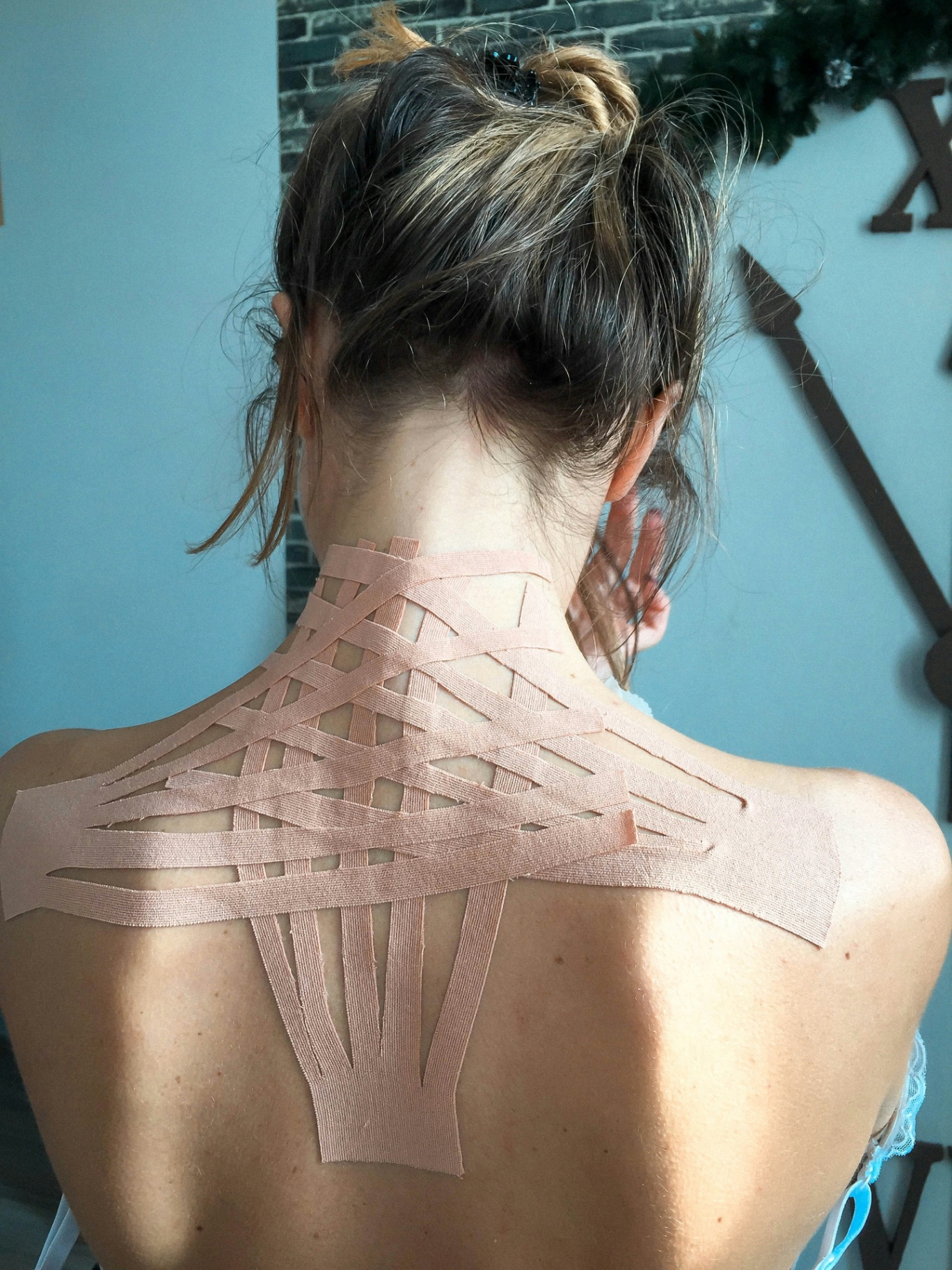
If you’re dealing with ongoing tightness, restricted movement, or “knots” that keep coming back—especially in the neck, shoulders, hips, or low back—you may benefit from myofascial release.
Fascia Is Always Part of Manual Therapy (Because Fascia Is Everywhere)
Here’s the simplest way to put it: you can’t really do manual therapy without affecting fascia, because fascia is everywhere.
Whether you’re receiving therapeutic massage or Manual Lymphatic Drainage (MLD), the work involves skin, superficial tissues, deeper layers, and the connective tissue that helps everything move together. In that sense, most massage therapy naturally includes myofascial work, even when the session isn’t labeled “myofascial release.”
So if you’re thinking, “Do I need a separate fascia-only appointment?”—usually, no. In my practice, I incorporate fascia-focused techniques as part of a well-rounded therapeutic session based on what your body needs.
The Cascade Effect: Why Small Restrictions Matter (Especially as We Age)
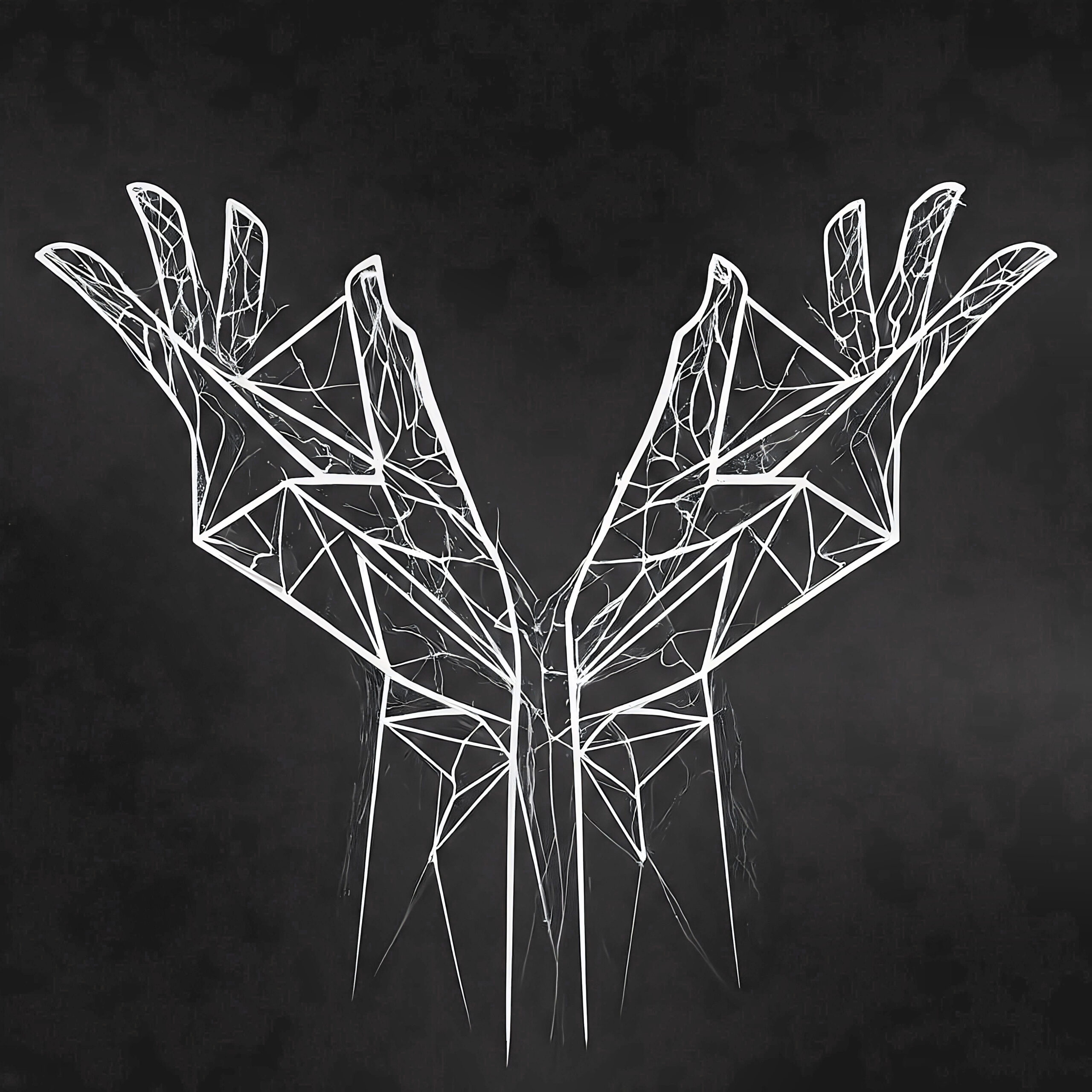
Fascia is a continuous web. Because everything is connected, a restriction in one area rarely stays in that one area. When fascia restricts your range of motion—even just a little—it creates a cascade effect throughout the rest of your body.
Think of it like a snag in a knitted sweater: if you pull a thread at the bottom, you’ll eventually feel the tension in the shoulder. If your hip fascia is tight, your body will compensate by changing how you walk, which eventually leads to a “mystery” pain in your lower back or neck.
This becomes especially true as we age. Over time, these small compensations add up. Fascia is just like any other part of the body, as we age it does not function as well. By addressing these fascial restrictions early through regular bodywork, we can stop that cascade effect and keep your body moving with ease as the years go by.
The Truth About “Knots” (Spoiler: They Aren’t Actually Knots)
We’ve all felt them—those hard, tender spots in the shoulders that we call “knots.” But here’s the reality: what many people call “knots” are actually adhesions—places where fascia and muscle aren’t gliding as smoothly as they should. Think of fascia like plastic wrap: when it’s hydrated and healthy, it slides. When it’s stressed, dehydrated, or overworked, it crinkles up and sticks to itself. A big part of skilled massage therapy is helping restore that ease of movement—so your body feels less restricted and more comfortable.
What Is Fascia (and Why Does It Matter)?
Fascia is a connective tissue web that surrounds muscles, joints, organs, blood vessels, and even nerves. You can think of it like a supportive, full-body “wrap” that helps tissues move smoothly. When fascia becomes restricted—due to stress, repetitive use, old injuries, or posture patterns—it can contribute to:
- Tightness that doesn’t fully release
- Pulling or compression sensations
- Reduced range of motion
- Referred discomfort (pain that shows up somewhere else)
Myofascial Work vs. Deep Tissue: What’s the Difference?
People often assume deeper pressure = better results, but that’s not always true. Deep tissue generally emphasizes pressure and muscle work to address tension. Myofascial-focused techniques emphasize fascial restrictions and tissue glide, and can sometimes create more change with less force—especially when a client is sensitive, inflamed, or stuck in chronic holding patterns.
Who Can Benefit From Fascia-Focused Massage Therapy?
Fascia-focused therapeutic massage may be a good fit if you experience:
- Chronic neck and shoulder tension
- Headache patterns that feel tension-related
- Low back tightness or hip restriction
- Limited mobility (e.g., “I can’t turn my head fully”)
- Postural strain from desk work or repetitive movement
- Old injuries that still feel “stuck”
Therapeutic Massage + Lymphatic Expertise at Nomabodywork
While I’m also a Certified Lymphatic Therapist (CLT), the majority of my appointments are for therapeutic massage. Whether your session is lymphatic-focused or massage-focused, fascia will be part of the work—because it’s part of the body.
Ready to feel better in your body?
Visit my Services page to choose the best session for your needs, or contact me and I’ll help you decide.
About the Practitioner
Siobhan Kelly is a Licensed Massage Therapist (LMT) and Certified Lymphatic Therapist (CLT) in Sonoma, California, and the practitioner behind Nomabodywork.